

Clarifix Cryotherapy in Singapore
Overview
ClariFix cryotherapy is a minimally invasive procedure performed in a clinic setting. It uses controlled cooling to target the posterior nasal nerve, which plays a role in regulating nasal secretions and congestion. This page provides an overview of how the procedure works, who may benefit from it, and what to expect during treatment. ClariFix may be considered for individuals with persistent rhinitis symptoms such as a runny nose or nasal blockage that continue despite standard therapies.
What is ClariFix Cryotherapy?
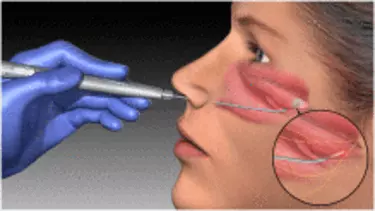
ClariFix cryotherapy is an ENT cryotherapy treatment that applies controlled, low-temperature cooling to a small region at the back of the nose. Using a specialised cryotherapy device, the doctor directs cold energy toward the posterior nasal nerve, which contributes to symptoms such as excess mucus production and nasal congestion when it becomes overactive.
By briefly cooling this area, the procedure aims to calm nerve signals involved in chronic rhinitis. It may be considered for individuals who have symptoms that persist despite the use of nasal sprays or other medications, regardless of whether the rhinitis is allergic or non-allergic.
When is Nasal Cryotherapy Needed with ClariFix in Singapore?
ClariFix may be suggested when persistent nasal symptoms continue despite standard care. It is usually considered as part of a broader management plan. The points below address common patient questions about suitability.
Persistent Rhinitis Symptoms Despite Medication
Individuals who continue to experience a runny nose, nasal congestion, or post-nasal drip despite tried-and-tested therapies, such as antihistamines, nasal steroid sprays, or saline irrigation, may be considered for ClariFix. This includes those who find long-term medication use difficult to maintain.
Allergic or Non-Allergic Rhinitis with Ongoing Symptoms
ClariFix may be an option for patients with allergic rhinitis or non-allergic rhinitis who continue to have symptoms such as nasal blockage or persistent mucus.
Preference for a Minimally Invasive, Clinic-Based Procedure
Some individuals prefer a treatment option that does not require general anaesthesia or hospital admission. ClariFix is performed in a clinic setting, and patients typically return to regular activities shortly after.
Limited Improvement with Standard Therapies
Those who have tried sprays, drops, or saline rinses with limited change in symptoms may be considered for nasal cryotherapy as part of ongoing rhinitis management.
What is the ClariFix Procedure Like?
The procedure is carried out in the clinic and usually takes only a short amount of time. Patients remain awake throughout, and most steps are performed under direct visual guidance.
Consultation & Nasal Endoscopy Assessment
Before treatment, the doctor performs a consultation and examines the nasal passages using a nasal endoscope. This helps assess the posterior nasal nerve region and rule out other causes of symptoms.
Application of Local Anaesthesia
A topical anaesthetic is applied to keep the nose comfortable during the procedure. Some patients may also receive additional numbing as required.
Cryotherapy Probe Applied to the Posterior Nasal Nerve
A slim applicator from the cryotherapy device is placed into the nose and positioned near the posterior nasal nerve with the help of an endoscope.
Cold Energy Delivered for Several Seconds
Controlled cooling is applied for a short duration to the targeted area. This intervention is designed to reduce nerve activity involved in mucus production and congestion.
Sensation of Pressure or Cold
During the cooling phase, patients may feel a brief cold or pressure-like sensation. This generally subsides quickly once the treatment ends.
What Are The Benefits?
The procedure is minimally-invasive and typically painless
This procedure does not involve the cutting of tissue or bone, and patients report feeling little to no pain.
The treatment has long-lasting effects
Patient reviews are very positive, reporting long-lasting improvements and a significant reduction (or elimination) of symptoms of chronic rhinitis.
The procedure can be performed in the clinic
You will receive long-lasting relief from chronic rhinitis in a familiar setting without the risks of general anaesthesia.
Procedure time is approximately 5-10 minutes
Imagine all the time you’ll save not dealing with your chronic rhinitis once you’ve had this very, very quick procedure!
Recovery time is effortless
Most patients are up and out of their doctor’s office 30 minutes after their procedure and can return to work and regular activities within 24 hours.
Side effects, if they occur, are manageable and brief
Some patients have reported a slight headache after a procedure, which they have likened to the “brain freeze” headaches they receive after eating ice cream too quickly. As with any nasal surgery, some sensitivity, bleeding, and congestion is to be expected as healing progresses.

Can I See The ClariFix Procedure Being Performed?
Does ClariFix Work? What Kind Of Results Can I Expect From Nasal Cryotherapy?
In clinical studies to gain USA Food & Drug Administration (FDA) clearance for the device, 4 out of 5 patients reported long-lasting relief of their chronic rhinitis. It usually takes between two and six weeks post-treatment to see these improvements. After this period, your need for nasal sprays and other medications are expected to decrease. Of course, this can vary from patient to patient. The results of the procedure may or may not be permanent, but you should expect the symptom relief from the procedure to last at least 1-2 years, according to the current data available.
How Effective Is ClariFix For Allergies?
Regardless of how well your allergies are controlled, ClariFix for allergies brings another treatment option to the table. There is a possibility that patients will allergies may be able to discontinue their intranasal steroid sprays or regular antihistamines, after the procedure is performed. However, the results and duration of relief do vary from patient to patient. Please check with your doctor on what can be expected in terms of results as well as cessation of medication.
How Effective Is ClariFix for Vasomotor Rhinitis?
Vasomotor rhinitis is a difficult condition to treat. It is one of the subsets of non-allergic rhinitis, and is a term often used to describe symptoms of rhinitis associated with non-allergic, non-infectious triggers with no clear etiology; after the conclusion of an exhaustive search for a diagnosis. Medical treatment of vasomotor rhinitis usually involves avoiding triggers, as well as the administration of nasal sprays containing ipatropium bromide. Surgical procedures, such as cutting a nerve in the nose (vidian neurectomy), have also been suggested as a treatment for vasomotor rhinitis.
We have had a few patients who have had ClariFix for vasomotor rhinitis. The results appear to be good, reducing sensitivity to triggers, as well as reducing symptoms of rhinitis and post nasal drip. In addition, this avoids an invasive procedure such as vidian neurectomy. However, the results and duration of relief do vary from patient to patient. Please check with your doctor on what can be expected in terms of results as well as possible cessation of medication.
How Effective Is ClariFix For Post Nasal Drip?
Post nasal drip can be one of the most annoying complaints for patients with allergies or vasomotor rhinitis. Many patients have asked how effective is ClariFix for post nasal drip. From our practice, we find that intranasal steroid sprays are effective for nasal congestion and symptoms such as itch and runny nose. However, they appear to work less well for the symptoms of post nasal drip. ClariFix for post nasal drip targets the posterior nasal nerves and appears to reduce the amount of post nasal drip experienced by patients.
However, the results and duration of relief do vary from patient to patient. Please check with your doctor on what can be expected in terms of final results.
What Are Some ClariFix Side Effects? Is ClariFix Safe?
Some patients have reported a slight headache after a procedure, which they have likened to the “brain freeze” headaches they receive after eating ice cream too quickly. As with any nasal surgery, some sensitivity, bleeding, and congestion is to be expected as healing progresses. Some patients have also reported dry eyes after the procedure, which gradually improve over time. The device is USA FDA-approved for the indication of treatment of chronic rhinitis.
References:
