

Septoplasty is a surgical procedure performed to correct a deviated nasal septum, a condition where the cartilage and bone separating the nasal passages are misaligned. This deviation can restrict airflow, leading to difficulty in breathing, chronic nasal congestion, sinus problems, and disrupted sleep.
In Singapore, septoplasty is commonly recommended when non-surgical treatments do not adequately relieve symptoms caused by structural nasal obstruction.
What is a Deviated Nasal Septum?
The nasal septum is the wall of cartilage and bone that divides the nose into two nasal passages. A deviated nasal septum occurs when this wall is shifted to one side, making one nasal passage narrower than the other.
Many individuals have some degree of nasal septum deviation and may not experience symptoms. Problems typically arise when the deviation is more pronounced, or when additional factors such as allergies, upper respiratory infections, haze exposure, or dry air from air-conditioning cause swelling of the nasal lining. In these situations, an already narrow nasal passage may feel persistently blocked.
Causes of a Deviated Septum
The bone and cartilage separating the nasal passages that become misaligned usually occur due to a combination of structural, developmental, or external factors.
This may be caused by:
Genetics, where the septum develops unevenly before birth. resulting in asymmetry from an early age
Nasal or facial injury, such as trauma from falls, contact sports, or accidents, even if the injury occurred many years earlier
Birth-related pressure or trauma, particularly during prolonged or difficult deliveries, may affect septal alignment
Age-related structural changes, where cartilage becomes less flexible and shifts with ageing
Associated nasal conditions, such as chronic inflammation or enlarged nasal tissues, which may worsen the functional impact of an existing deviation
Symptoms of Nasal Septum Deviation
Symptoms depend on the degree of deviation and may vary between individuals.
Common features include:
Persistent nasal blockage on one side, which may feel more noticeable when lying on a particular side
Difficulty breathing through the nose, especially during physical activity or sleep
Noisy breathing or snoring during sleep, sometimes leading to mouth breathing and dry mouth
Recurrent nosebleeds due to dryness and airflow turbulence within the nasal cavity
Facial discomfort, pressure, or headaches, particularly around the nose or sinuses
Post-nasal drip or a sensation of mucus at the back of the throat
Reduced sense of smell in more severe cases
When is Septoplasty Recommended?
Unlike rhinoplasty, which is a cosmetic procedure performed to alter the external appearance of the nose, septoplasty is a functional nasal surgery aimed at correcting structural blockage within the nasal passages. The goal of septoplasty is to improve airflow through the nose by addressing deviation of the nasal septum, rather than to change how the nose looks.
Septoplasty may be recommended if:
- Recurrent nosebleeds related to nasal dryness or airflow turbulence
- Nasal blockage is persistent and affects daily activities
- There is ongoing difficulty in breathing through the nose
- Recurrent sinus issues are linked to nasal obstruction
- Sleep quality is affected due to airflow limitation
An assessment by an ENT specialist is required to determine whether these symptoms are related to septal deviation and whether septoplasty is appropriate.
What Are the Treatment Options for a Deviated Nasal Septum?
Treatment for a deviated nasal septum depends on the severity of symptoms, the degree of nasal obstruction, and whether symptoms are primarily caused by structural deviation or associated with other nasal conditions. Management typically begins with non-surgical options, before considering surgical intervention when appropriate.
Non-Surgical Treatment (Medical Management)
In mild to moderate cases, medications may be prescribed to help relieve symptoms caused by nasal swelling or inflammation. These treatments do not correct the septal deviation itself, but may temporarily improve airflow.
Common medical treatments include:
- Decongestants, which help reduce swelling in the nasal tissues and improve airflow
- Antihistamines, particularly when nasal blockage is associated with allergic rhinitis
- Nasal steroid sprays, which reduce inflammation within the nasal passages and support sinus drainage
Medical management is often used as an initial step to determine whether symptoms improve without surgery.
Septoplasty
When medical treatment does not adequately relieve nasal obstruction, septoplasty may be considered. Septoplasty is a functional surgical procedure performed to straighten and reposition the deviated nasal septum in order to improve airflow through the nose.
During septoplasty:
- The procedure is performed internally within the nose
- Deviated portions of cartilage or bone are corrected
- The aim is to reduce structural blockage affecting nasal breathing
The degree of symptom improvement varies between individuals and depends on factors such as the extent of septal deviation and the presence of other nasal conditions. Septoplasty addresses structural obstruction, but does not treat conditions such as allergies or chronic sinus inflammation on its own.
Septorhinoplasty (When External Nasal Structure Is Involved)
In some cases, nasal obstruction may be related not only to septal deviation but also to the shape or structure of the external nose. When both internal septal deviation and external nasal anatomy contribute to airflow limitation, septorhinoplasty may be recommended.
Septorhinoplasty involves:
- Correction of the nasal septum
- Modification of external nasal bones or cartilage where clinically indicated
This approach is considered only when structural factors affecting the external nose play a role in nasal obstruction, following careful ENT evaluation.
Step-By-Step Septoplasty Procedure
Septoplasty is usually performed through incisions inside the nose, so there are no external cuts on the skin. The exact technique may differ based on each person’s nasal anatomy, but in general, the procedure can be broken down into the following steps:
Anaesthesia Administration
Anaesthesia is given to keep you comfortable during the procedure.
Depending on the clinical situation, this may involve local anaesthesia with sedation or general anaesthesia. Your doctor and anaesthetist will discuss the most appropriate option for you.
Surgical Access
A small incision is made inside the nose to lift the lining that covers the nasal septum.
This allows the surgeon to see and reach the cartilage and bone that are deviated, without making any cuts on the outside of the nose.
Septal Correction
The deviated portions of cartilage and/or bone are carefully adjusted.
This may involve straightening, repositioning, or removing selected segments to improve the alignment of the septum while maintaining structural support.
Tissue Realignment
Once the septum has been corrected, the lining over the septum is repositioned.
In some cases, soft tissue support or internal splints may be used to help keep the septum in its new position during the early healing phase.
Procedure Completion
The internal incision is closed, and any supporting materials (such as splints or soft nasal packing, if used) are placed according to the surgeon’s preference. Patients are then monitored in the recovery area while they wake up from anaesthesia before going home or staying for observation, depending on the clinical plan.
Deviated Nasal Septum Surgery Recovery Time
Postoperative visits are routinely scheduled every 7-14 days until the nose is healing well, and then less frequently. Flexible nasoendoscopy and cleaning will be performed at each postoperative visit. Patients will need to take prescribed medications and irrigate their nose with salt water at least 3-4 times per day. The nose may initially feel more blocked immediately due to swelling after surgery, but this will continue to improve over the next 3-4 weeks as the lining of the nose heals. Patients are able to go back to regular office work in 1-2 weeks’ time, and complete healing and recovery is expected in 6-8 weeks.
Potential Risks & Complications Recovery after Surgery
In general the complications and risks of this procedure are minimal. Nevertheless, each patient should be aware of the potential complications.
Bleeding
Bleeding is a possibility in any nasal or sinus surgery as the blood supply is extensive. Occasionally significant bleeding may occur requiring termination of the procedure and nasal packing. This usually requires hospitalization for observation. Blood transfusions are rare, as is the need for subsequent surgery to control bleeding. However, certain precautions are necessary, such as the avoidance of all certain painkillers as well as supplements such as garlic, ginseng, and gingko for a period of 2 weeks before surgery. Patients on long-term blood thinning agents can still undergo surgery though their medication regime or type may need to be temporarily altered.
Failure to Cure the Problem
A deviated nasal septum may not be completely cured by this procedure. The nasal septum is made up of bone and cartilage. Cartilage, in particular, has a very strong memory and it is sometimes impossible to completely straighten the cartilage. As a result, cartilage grafts may be used.
Postoperative Discharge
Postsurgical blood-tinged drainage or clots may occur for up to two weeks after surgery. This is not abnormal and will clear. Blowing of the nose should not be attempted for at least three weeks after surgery.
Risk of Anaesthesia
Although this procedure may be performed under local anesthesia, our preference is for general anesthesia. Although usually safe, general anesthesia has some risks and complications. We can put you in touch with our anaesthesists to discuss this issue further if necessary.
Nasal Collapse (Saddle nose)
The nasal septum supports the external framework of the nose. When cartilage and/or bone is removed from the deviated nasal septum, it can sometimes weaken the support, leading to a saddle nose. Research has shown that certain areas of the nasal septum must be retained to support the external framework. We are highly cognizant of this and do our best to preserve these areas in every case. Saddle nose is thus fortunately extremely rare in this day and age. If such a complication should occur, there are still options for surgical correction.
Other Risks
Patients may note some temporary numbness or discomfort in the front and upper teeth. Swelling over the nose/face, bruising, “black eyes”, and lip numbness may also occur, but usually resolve in one to two weeks. Air may also collect under the skin around the eye postoperatively which rapidly resolves. Symptoms may return or in some cases worsen such as sinus pain or discomfort, increased nasal obstruction or discharge. Smell may be decreased or absent after surgery, but this is rare. Scarring may occur in the nose, but usually does not cause a problem on occasion the scarring may need to be removed via a separate procedure.
Post-Operative Care & Recovery
• Immediate Post-Operative Care
Pain Management: Some discomfort or pressure in the nose is expected in the first few days. Your doctor may prescribe medication to help manage pain. Keeping the head elevated, including during sleep, can help reduce swelling. Cold compresses applied to the cheeks may provide additional comfort.
Activity Restrictions: For safety and to protect the healing tissues, strenuous activities, bending, heavy lifting, and contact sports should be avoided during the early recovery period. Your doctor will advise when it is appropriate to gradually resume normal activities.
• Recovery Process
Initial Phase: During the first one to two weeks, swelling and nasal congestion are common. Breathing may feel different as the internal tissues heal. If internal supports or packing are used, they are removed during follow-up visits. Your surgeon will provide guidance on appropriate nasal care during this period.
Long-Term Recovery: Healing continues over the following months as swelling gradually settles and the nasal structures stabilise. Follow-up appointments allow your surgeon to monitor recovery and address any concerns. The overall recovery timeline varies among individuals.
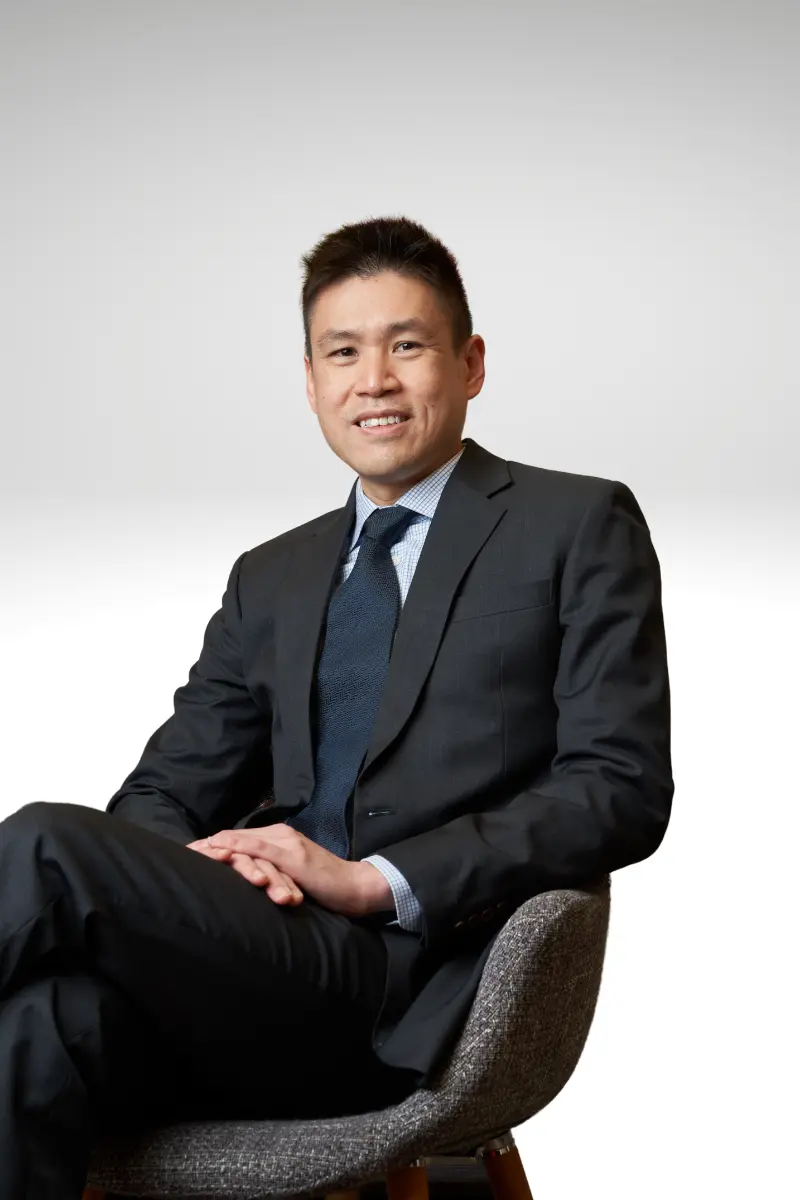
How Dr Leslie Koh Can Help
Deviated Septum Specialist, ENT Surgeon
Dr Leslie Koh is an ENT specialist in Singapore whose clinical practice focuses on the assessment and management of ear, nose, and throat conditions in both adults and children. His work includes the evaluation of nasal obstruction, septal deviation, and other structural nasal concerns that may affect breathing.
Dr Koh completed his medical training in Singapore and underwent specialist training in otolaryngology. He has experience in hospital-based ENT practice and continues to participate in ongoing professional development as part of Singapore’s medical community.
Clinical Approach to Pediatric ENT Care
Dr Koh’s clinical approach emphasises careful assessment, clear explanation, and shared decision-making.
- Structured evaluation of symptoms and nasal anatomy
- Use of appropriate diagnostic examinations to guide discussion
- Clear explanation of findings and available management options
- Consideration of both non-surgical and surgical approaches based on individual needs
Patients considering septoplasty or other forms of nasal deviation surgery are assessed based on clinical findings rather than symptoms alone, with suitability discussed during consultation.
FAQs about Septoplasty in Singapore
How much does septoplasty cost in Singapore (Public vs. Private)?
The cost varies significantly depending on the hospital type and your ward selection:
Public Hospitals (e.g., SGH, NUH, TTSH): For Singapore Citizens, subsidised costs typically range from $3,300 to $5,100 for the surgical procedure itself. If you include hospital stay and related fees, total bills for Class B2 or C wards often fall between $8,000 and $12,000 before subsidies are applied.
Private Hospitals (e.g., Mount Elizabeth, Gleneagles): Total costs generally range from $15,000 to $25,000. This higher price covers the ENT surgeon’s professional fees, anaesthetist fees, and private room rates.
Is Septoplasty Performed for Children?
Septoplasty is less commonly performed in children and is usually considered only in selected situations. When required, evaluation is typically carried out carefully, sometimes involving a pediatric ENT surgeon, to ensure timing and indications are appropriate for the child’s nasal development and symptoms.
Does Septoplasty Change Your Nose Shape? What Is The Difference Between Septoplasty And Rhinoplasty?
In general, a simple nasal septoplasty does not change your nose shape. However, if complications such as saddle nose develop, it may lead to a
visible change in your nose shape. However, this can also be corrected with surgery.
The main aim of septoplasty is to correct the deviated nasal septum and internal nose issues. This is different from rhinoplasty, which can correct both internal and external nose issues, with the option for cosmetic changes.
Does septoplasty change your nose shape?
Typically, no. The goal of a septoplasty is to straighten the internal wall (septum). Since the incisions are made inside the nostrils, the external structure of the nose remains the same.
Note: If you desire a change in appearance (like removing a hump or refining the tip), you would need a Septorhinoplasty, which combines functional repair with cosmetic reshaping.
What food can you eat after surgery?
For the first 24-48 hours, stick to a soft, cool diet to avoid irritating the surgical site and to minimise the risk of nosebleeds:
Recommended: Yoghurt, chilled porridge (congee), mashed potatoes, scrambled eggs, and smoothies.
Avoid: Very hot (temperature-wise) soups, spicy foods (like laksa or curry), and crunchy/hard foods that require vigorous chewing, as these can increase blood flow to the face and trigger bleeding.
Does a deviated septum affect sleep or snoring?
Yes, a deviated septum can contribute to snoring and poor sleep by increasing nasal resistance, especially when lying down. While it is not a direct cause of obstructive sleep apnea on its own, it can worsen sleep quality, increase mouth breathing, and reduce tolerance to treatments such as CPAP.
Is septoplasty covered by MediSave or Integrated Shield Plans?
Yes. Because septoplasty is a functional procedure (performed to improve breathing) rather than a cosmetic one, it is claimable.
MediSave: You can use your MediSave to cover a portion of the surgical and ward fees, subject to MOH withdrawal limits (usually Table 3B or 4B classification).
Integrated Shield Plans (IPs): Most IPs will cover the bulk of the hospitalisation costs, provided the surgery is deemed medically necessary by an ENT specialist.